





Covid Protocol: Why only PM Modi, not for other VVIPs?
An RT-PCR test has been made compulsory for ministers meeting Prime Minister Narendra Modi, as active COVID-19 cases in the country crossed the 7,000 mark today, sources said. The order’s focus on ministers and officials meeting the PM excludes other VVIPs.

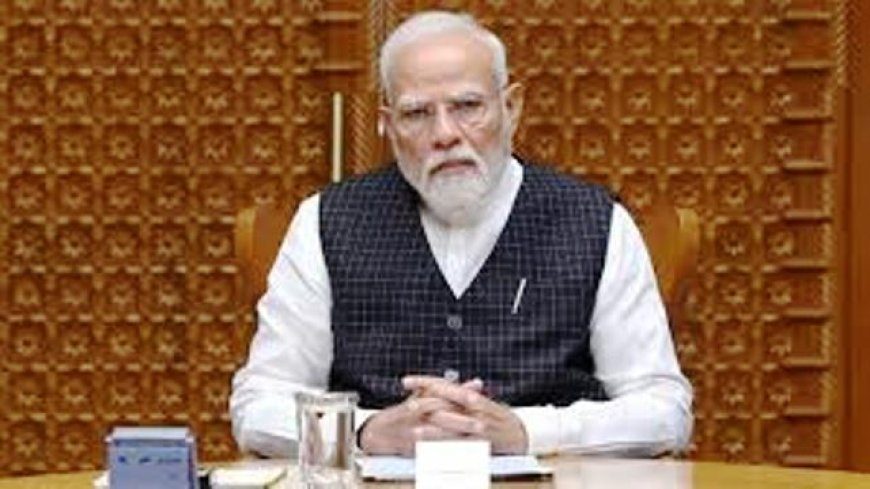
An RT-PCR test has been made compulsory for ministers meeting Prime Minister Narendra Modi, as active COVID-19 cases in the country crossed the 7,000 mark today, sources said. The order’s focus on ministers and officials meeting the PM excludes other VVIPs (e.g., Vice President, President, governors), who also engage in high-level meetings and public events. This inconsistency could undermine the policy’s effectiveness and public trust.
RT-PCR testing for all officials meeting the PM could strain testing infrastructure, especially in areas with high caseloads, potentially diverting resources from the public. Some argue that with milder symptoms reported for current variants, such stringent measures may be excessive, particularly if vaccination and booster coverage are robust.
The exclusion of other VVIPs from this specific mandate could be due to the PM’s office (PMO) and Special Protection Group (SPG) likely prioritizing protocols for the Prime Minister, tailoring measures to his schedule and risk exposure. The PM’s frequent meetings with ministers and officials, especially post-Delhi Assembly poll celebrations, may be deemed higher risk compared to other VVIPs’ engagements, which are often more ceremonial or limited.
There’s no uniform COVID-19 protocol for all VVIPs in India. For instance, in 2020, the President’s meetings were minimized, but no mandatory testing was reported. This ad-hoc approach persists, possibly due to logistical challenges or differing security priorities.
The mandate may be a visible response to the Delhi BJP’s recent electoral success and the planned dinner with 70 functionaries, aiming to project responsibility. Extending it to all VVIPs might dilute this focus or be seen as overreach.
The order is a pragmatic step to protect the PM but exposes gaps in India’s COVID-19 strategy. The selective focus on ministers meeting Modi, while ignoring other VVIPs and public gatherings, suggests a reactive rather than comprehensive approach. The government’s failure to issue formal guidelines for all high-level officials or reinstate broader public health measures (e.g., mandatory masking in crowds) raises questions about consistency.
A standardized protocol for all high-level officials, coupled with broader public health measures, would be more equitable and effective. To address public skepticism, the government should clarify why other VVIPs are exempt and consider enforcing protocols at large gatherings where ministers are exposed.
According to the official statement released by the Union Health Ministry on Wednesday, the country has witnessed 306 fresh cases and six deaths in the past 24 hours. While three deaths have been recorded in Kerala, Maharashtra (1) and Karnataka (2) are the only states to have reported the remaining deaths during the same period. Kerala has seen the highest single-day jump, reporting 170 fresh cases.
Meanwhile, Gujarat has recorded 114 new infections and 1,223 active cases, followed by Karnataka, which has logged 100 new cases, as per the data. Delhi recorded 66 fresh cases in the last 24 hours and the city's total caseload reached 757, the Health Ministry said. However, officials maintain that most cases are mild in nature.
What's Your Reaction?