






















Karnataka: textbook sparks outrage over alleged 'lessons of hate'
A controversy erupted in Dharwad district in Karnataka, over a textbook in the first-semester syllabus for undergraduate students at Karnatak University.

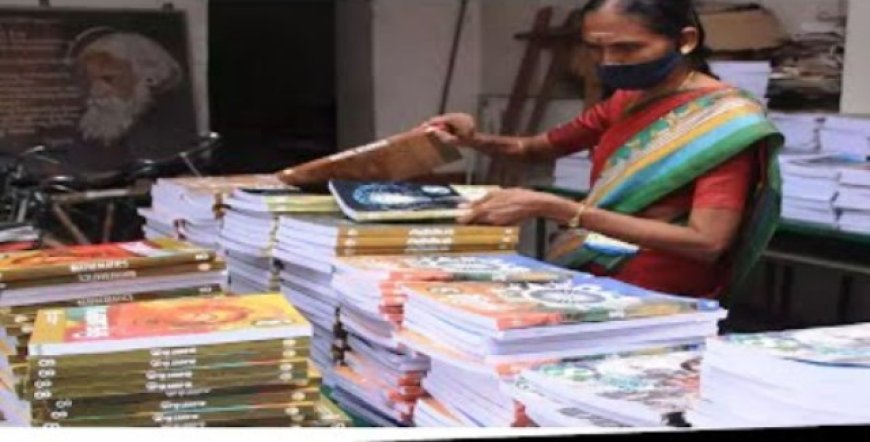
A controversy erupted in Dharwad district in Karnataka, over a textbook in the first-semester syllabus for undergraduate students at Karnatak University. According to a complaint filed by the Karnataka Law Students Association, the book ‘Belagu 1’ includes material under the title “Rastriyathe”, which allegedly promoted views that disrupt Indian unity. The complaint states that the chapter criticises the Sangh Parivar, the construction of the Ram Mandir, and revered figures such as Bharat Mata and Bhuvaneshwari Devi.
Accusations were levied against the textbook content, claiming it promoted communal hatred and portrayed “Bharat Mata” as a deity exclusive to Hindus. The text allegedly uses terms like “Sangh Parivar” in a derogatory manner, aimed at criticising the Rashtriya Swayamsevak Sangh (RSS).
Senior advocate and social activist Arun Joshi intervened in the matter, writing to both the University Vice-Chancellor Dr KB Gudasi and Governor Thaawarchand Gehlot. In his letter, Joshi demanded the immediate withdrawal of the controversial syllabus, warning of legal action if the authorities fail to take appropriate measures.
he letter states, the “fourth chapter titled ‘Rastriyatheya Aacharaneya Sutta’’ written by Ramalingappa T Begur, in the first-semester Bachelor of Arts (BA) Kannada textbook titled ‘Belagu’, has “anti-national” aspects. According to Joshi, several areas in this chapter were “anti-national”. The complaint, signed by the association's state president Manjunath Hongalad, said the collected work ‘Belagu’ had “unconstitutional, anti-India, anti-national, anti-Hindu” content that pushed “Communist Congress agendas”.
The second contentious aspect was the portion “Imaginary Faces of Nationalism – Myths of Uniformity”of the chapter. According to Joshi, this section presented Bharat Mata as “a symbol of uniform goddess and this is projected as anathema to the idea of plurality.” He said this linked her to the idea of a uniform national culture, which he believes leads to the concept of one national religion and language. This uniformity, he argues, marginalises diverse communities and promotes the idea that the majority should dominate.
In the section titled “Sense of Alienation”, the textbook was accused of asserting that Muslims experience a collective sense of alienation, with Hinduism absorbing other faiths such as Jainism, Sikhism, and Buddhism. The text allegedly states that Islam was rejected solely because it asserts a separate identity.
Lastly, the chapter “Nationalism – Jingoism” reportedly criticises India’s achievements, including becoming a nuclear power and launching missions like Chandrayaan, labelling these as symbols of jingoism and aggressive nationalism. Joshi questions the utility of such national projects, suggesting that they divert attention from pressing issues like poverty, hunger, unemployment, illiteracy, and farmers’ suicides.
Leader of Opposition in the Legislative Council, Chalavadi Narayanaswamy also weighed in on the issue. He condemned the syllabus for allegedly promoting anti-Hindu narratives. The textbook has to be withdrawn from circulation.”
What's Your Reaction?